
Storage guide
Choosing storage for your move.
Customers normally ask for storage, not a particular type of container. The useful questions are how much space is needed, how the belongings will be handled, how long they may stay and when delivery will be required.
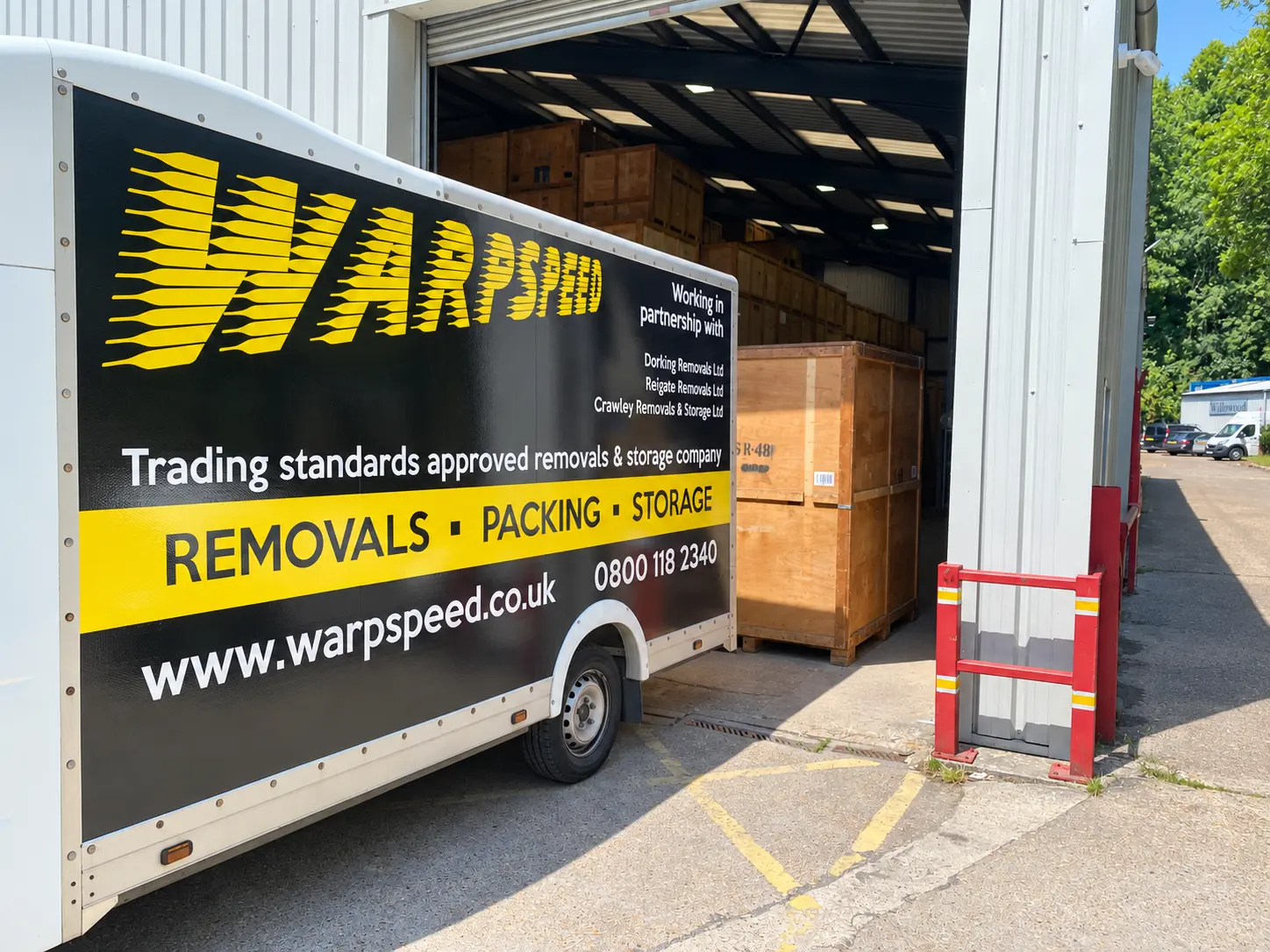
Wooden warehouse containers
Wooden containers are kept inside a storage warehouse. Household contents can be loaded into the containers, secured and stored until the agreed delivery is arranged.
This option can reduce unnecessary handling because belongings are grouped together within numbered containers.
Shipping-container storage
Shipping containers provide a larger enclosed space and can suit moves requiring more capacity. The appropriate option depends on the volume, access, expected storage period and availability.
The container type is part of our operational planning. Customers can simply tell us what needs storing and the likely timescale.
What affects the storage cost
- The volume and number of containers required
- Collection and loading from the original property
- Any additional handling needed before storage
- The length of the storage period
- Delivery from storage to the final address
- Access, travel and staffing required for both stages
Prepare belongings for storage
- Use strong, clearly labelled moving boxes
- Ensure appliances are clean, dry and prepared correctly
- Avoid storing food, liquids or prohibited materials
- Identify items you may need before final delivery
- Keep valuables, documents and essential medication with you
- Tell us about fragile or unusually heavy items
When moving dates do not line up
If storage is arranged in advance, it can form part of the moving plan. If an unexpected delay occurs, contact us immediately. Alternative arrangements depend on capacity and vehicle availability.
The customer remains responsible for the additional collection, handling, storage and return-delivery costs arising from changed dates or delays.